
Picture this: “You’re flying from Hong Kong to London, but you are only allowed use one airline — even if it’s delayed, overpriced, has 3 layovers or grounded for maintenance.”
Sounds crazy but that’s exactly how most businesses still handle their payments.
Every transaction is funneled through the same PSP, no matter the customer’s location, the card type, or the condition of the provider. When it fails, you lose the sale — and likely the customer too.
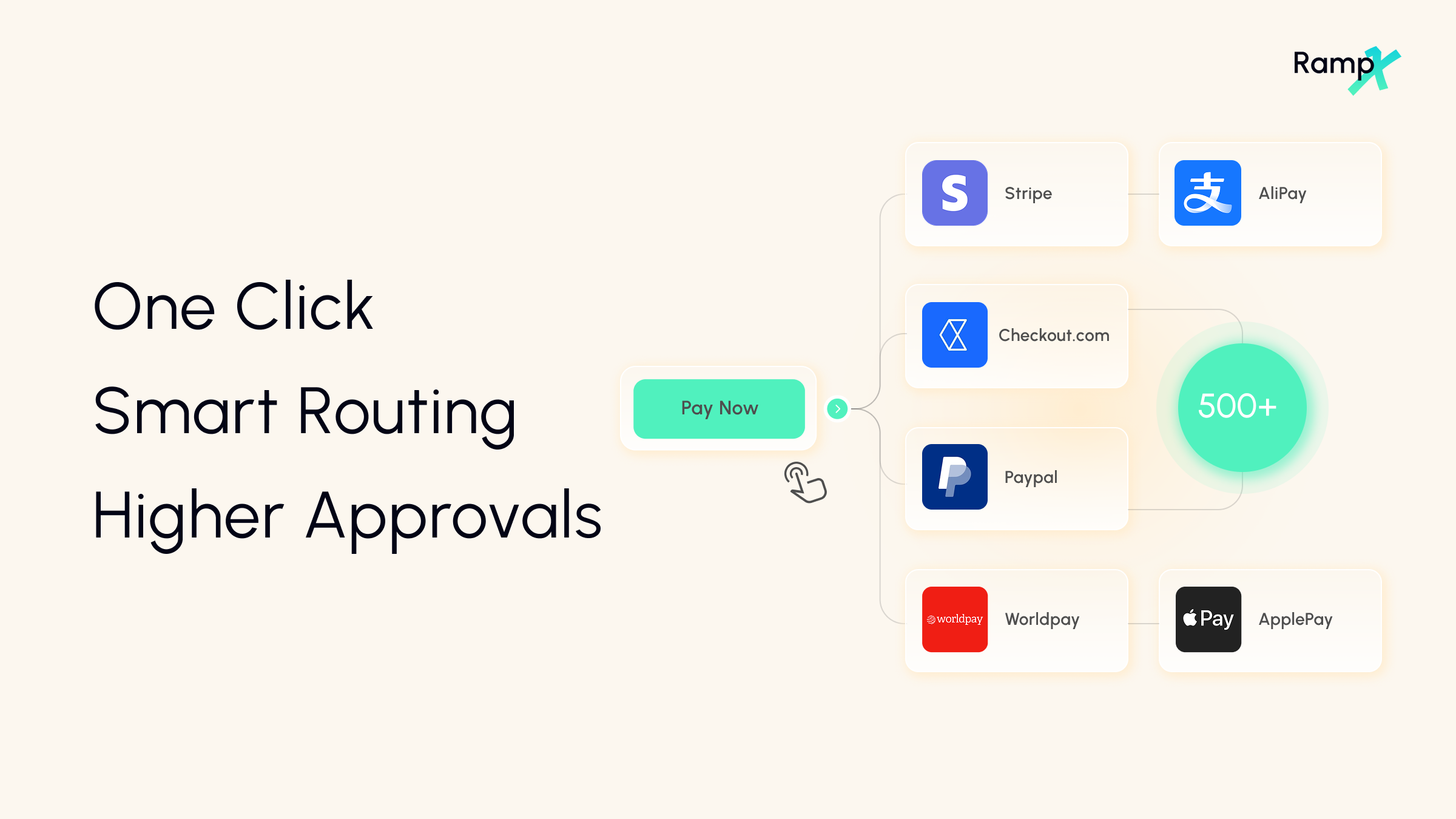
Payment Orchestration changes that. It gives your checkout a brain — one that can make real-time decisions:
- Routing payments through the highest-converting and most reliable PSPs
- Retrying failed payments instantly
- Launching new payment providers in days, not months
It puts you on a level playing field with the biggest global players — without needing their budget.
In short: Payment Orchestration does to payments what Skyscanner did to flights. But what exactly is it — and how does it work?
Table of Contents:
The 3 Pillars of Payment Orchestration
At the heart of payment orchestration are three foundational capabilities — all designed to give you more control and better outcomes.
1. One Integration to rule them all. Every PSP. Every Payment Method.

This is the foundation payment orchestration is built on, API Aggregation. Instead of building and maintaining dozens of custom connections, you plug into a single orchestration layer. It abstracts the entire backend — translating its unified API into hundreds of provider-specific ones — so you can connect to any PSP or payment method, instantly.
API aggregation slashes integration and go-live time — getting new providers onboarded in days, not months. And it does it without disrupting your finance team’s reconciliation logic or reporting structure.
You gain the power to shift volume in seconds (great for negotiations!)
You can compare every provider on one dashboard, using one consistent data set.
Your developers stay focused on building product, not plumbing.
Your finance team keeps their workflows.
Most importantly, the business gets the agility to scale, pivot, and expand — minus the operational drag.
2. Smart Routing
Every transaction, every millisecond — optimized.
Not all payment routes are created equal. Smart routing uses real-time signals — like BIN data, card type, geography, PSP uptime, and even currency conditions — to send each payment down the path most likely to succeed.
This isn’t guesswork — its algorithmic precision is designed to maximize approvals, minimize false declines, and reduce friction at the exact moment your customer hits “Pay.”
According to Visa and Mastercard, combining both smart routing with network tokenization can lift authorization rates by 2–3% on card-on-file and recurring transactions. That’s real revenue saved — without changing a single thing on the front end.
3. Retry Logic & Failover
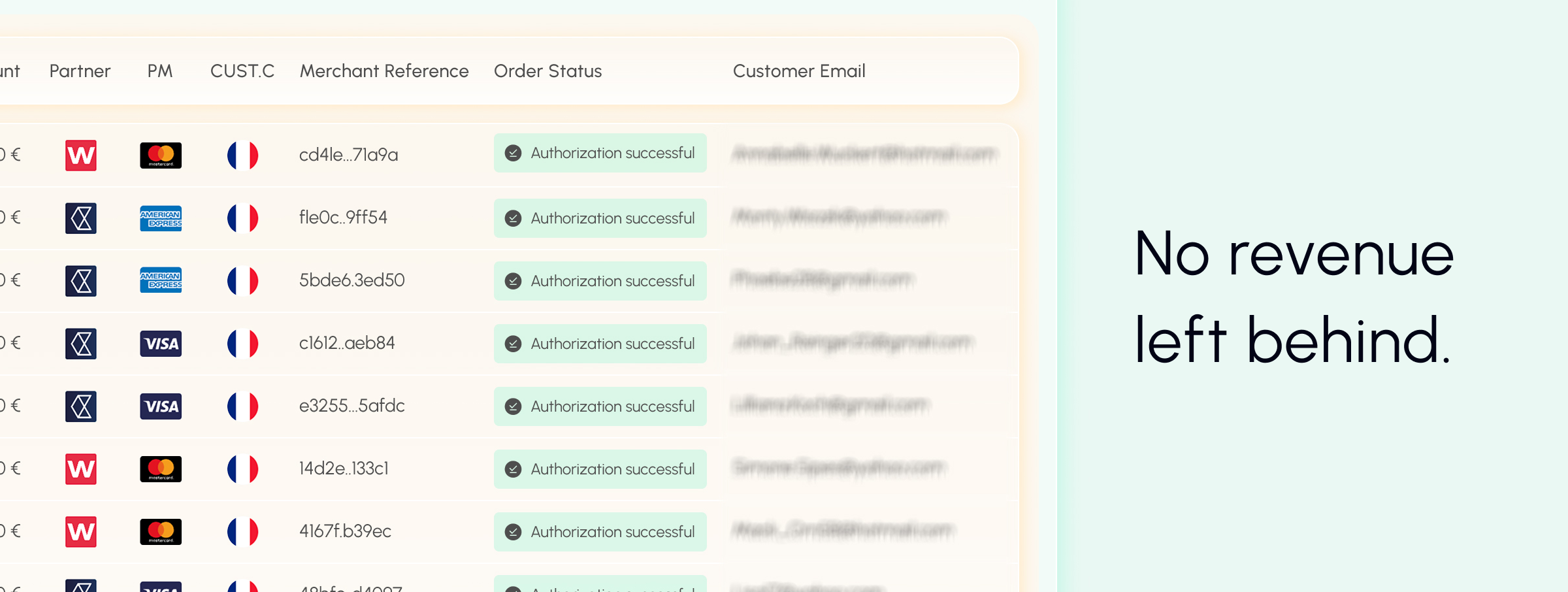
Soft decline? Provider outage? Your payment orchestration platform sees it and reroutes or retries — before your customer knows. You keep the sale, the revenue, and this all happens automatically, without code or rules.
Whether it’s retrying a failed payment with new parameters or instantly failing over to a secondary PSP, you don’t lose revenue to something as dumb as a timeout.
Smart routing and retries can make substantial impacts
Beyond the Pillars: This Isn’t Just About Infrastructure
Orchestration isn’t just about switching providers faster plus routing and retries — it’s about building a better way to operate payments across your entire business.
- Unified Reconciliation
No matter how many PSPs you use, finance gets a clean, normalized feed of every transaction. The outcome? No more merging CSVs, fixing mismatches, or manually chasing settlements.
- Zero Operational Drag
You can test new markets, add new methods, or re-balance traffic without needing help from dev, finance, or BI. It’s payments without the hand-holding.
- Scheme Tokens & Portability
Use network tokens to retain stored cards across PSPs. Customers don’t need to re-enter anything — even if you replace your main acquirer. That’s freedom without friction.
- Global Expansion Without Red Tape
Want to launch in Singapore, Brazil, or Germany? You can add a local PSP to your tech stack in a few clicks, no new code, no six-week sprints.
Why Not Just Add Another PSP?
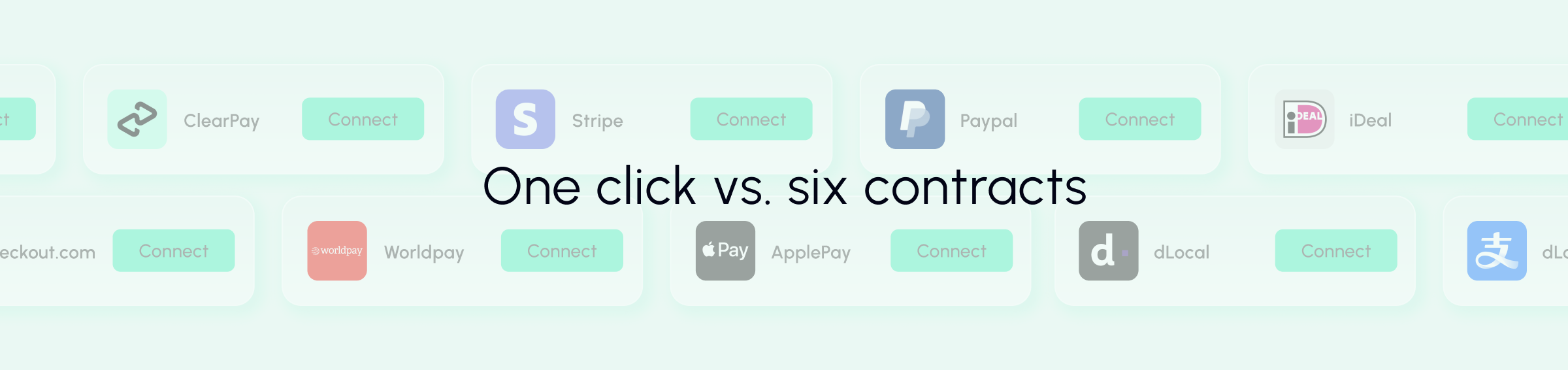
Sure, you could add another provider directly. But here’s what that really means:
- One new integration to build, test, and maintain – for one (not hundreds) of PSPs
- Multiple reporting systems to align
- Another reconciliation logic for finance
- More contracts, dashboards, support processes, and dev ops
- Want another PSP in the future? rinse and repeat the above.
With a payment orchestration layer, you don’t “add another PSP.” You add multiple which gives you optionality, routing, and negotiation power.You can test, route, compare, and control — from a single layer.
And if one PSP doesn’t perform? Reroute traffic in real time, without touching a single line of production code.
This isn’t just faster. It’s smarter.
The ROI Is Operational – and Strategic
Orchestration platforms regularly deliver:
- ️Significantly faster PSP delivery and launch
- Significant reduction in Finance time and overheads as you expand
- Network tokenization alone can increase auth rates by up to 6%
- Combined with up to 28% reduction in fraud
- New providers with little to no dev or ops work
- 100% visibility across your stack, in real time
- Finance time saved (we have a link for this stat)
Payment Orchestration Isn’t Just a Tool — It’s Leverage
If your competitors are using orchestration and you’re not — you’re already behind.
They’re:
- Launching in new markets without adding dev cycles
- Boosting approval rates with smart routing
- Cutting payment ops in half
- Negotiating PSPs for better rates based on real-time data
And they’re doing it with one thing: a single orchestration layer.
You don’t need 6 months. You need one decision.
Let’s turn your payments from cost center into conversion engine.
